Table Of Content
“Poly-hydroxy acid, aka PHA, is a great ingredient for preventing and treating ingrown hairs because it gently exfoliates and is safe to use every day,” says Young. Shamban also recommends other common chemical exfoliants, like alpha-hydroxy and beta-hydroxy acids. “Both AHAs and BHAs will help to treat and prevent future instances of ingrown hairs,” she explains.
Dove Exfoliating Body Polish Scrub
As an alternative to aggressive or chemical-laden waxing, you may want to try this DIY sugar wax recipe, although you can also find sugar waxing available at non-toxic salons. If you continue having infected ingrown hairs in the same area, such as your face, you might consider other methods of hair removal, such as laser treatment. This serum from European Wax Center contains ingredients such as glycolic acid, tea tree oil and lavender oil to prevent and treat ingrown hairs. They even have a version of the serum that also tackles discoloration. And as always, the best solution is to check in with your dermatologist.
Treatment
Whether you're applying these DIY treatments to your legs, bikini line, etc., know you're one step closer to healthy, bump-free skin. Prepping the skin and hair before shaving is half the battle. According to Dr. Robinson, a good exfoliating cleanser will loosen the hair before you start to remove it, decreasing the chances that hair will become trapped inside the skin. "This cleanser by Gillette Venus gently exfoliates to remove dead skin and oils," she says.
What questions should I ask my healthcare provider?
VIDEO: Pulling out a 6-year-old ingrown hair - Business Insider
VIDEO: Pulling out a 6-year-old ingrown hair.
Posted: Wed, 06 Sep 2017 07:00:00 GMT [source]
Dr. Ava Shamban, MD, a board-certified dermatologist at her own practice and founder of The Box explains. This Dr. Axe content is medically reviewed or fact checked to ensure factually accurate information. Chrissy Callahan covers a range of topics for TODAY.com, including fashion, beauty, pop culture and food.
How Ayurveda Helps Us Navigate Modern Life

People with coarse, thick, or curly hair are often more likely to have ingrown hairs. "Ingrown hairs often occur after shaving, tweezing, or waxing, and can be found in any area where hair grows, such as the face, legs, armpits, and pubic area," Engelman says. Using the narrow tip of a clean pair of tweezers (you should rinse it with alcohol or use an alcohol wipe) tease the ingrown hair out of the follicle. If the hair becomes invisible or if you can’t get it out without too much poking or bleeding, stop and give a dermatologist’s office a call. You might be able to see an ingrown hair as a tiny loop with both ends stuck in your skin.
How to Get Rid of an Ingrown Hair Safely, According to Dermatologists
If you're looking for a calming body lotion, look for actives like ceramides, colloidal oat, aloe vera, calendula, comfrey, or chamomile. Bischoff suggests looking for products containing soothing aloe vera, as well as jojoba oil and vitamin E for hydration. Apply a very thin layer only to the area that needs to be shaved so you can see the skin and hair shaft underneath.
Derm-Approved Home Remedies for Treating Ingrown Hairs
What often starts as a mild annoyance can quickly turn into a sensitive, raised bump that lingers for days. Here's what causes ingrown hairs, how to identify them, and what you need to know about getting rid of ingrown hairs at home. Of course, if the bumps aren’t going away on their own, are becoming painful, or look like they’re getting infected, it might be time to see your dermatologist about how to treat them to reduce the swelling. And if you find yourself getting desperate (hey, all of us have been there), be sure not to pop or pluck the hair—that's how it can become more infected. If you do decide on self-surgery — again, a really bad choice, Drs.
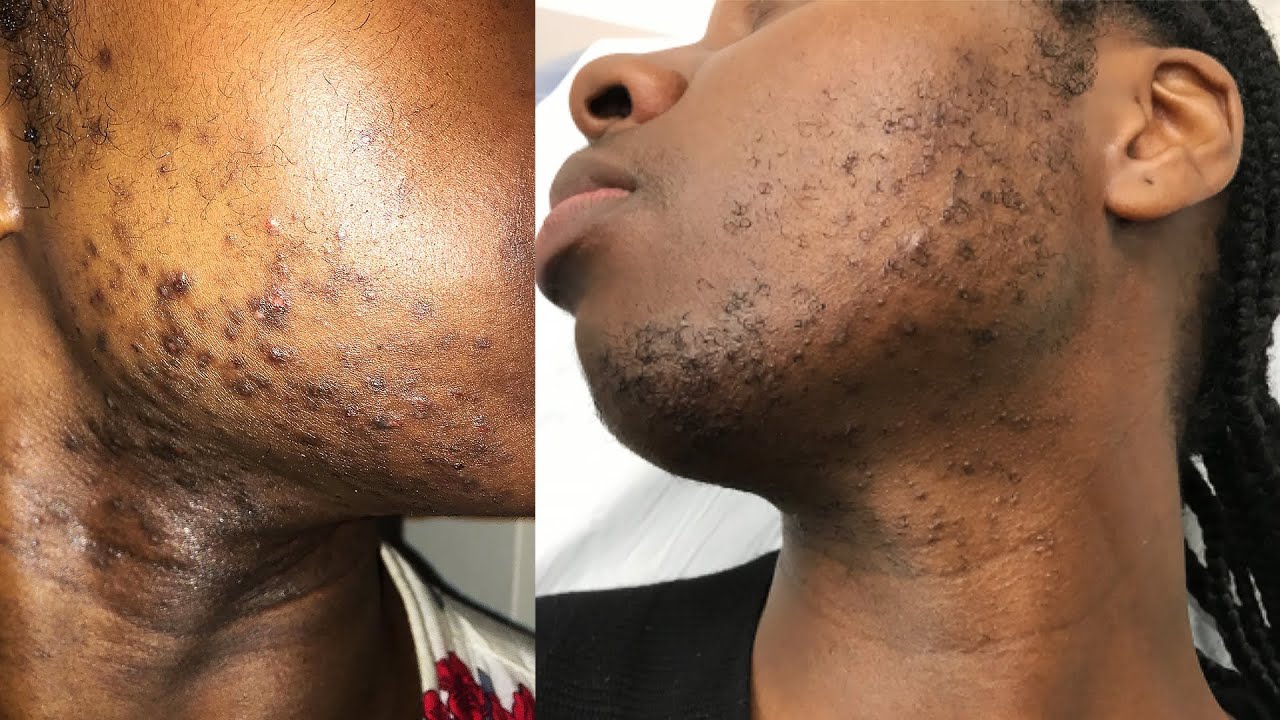
Many people call these bumps razor bumps or razor burn, and their medical name is pseudofolliculitis. Over time, a bump, usually just one, may get bigger and form a cyst. You can also remove an ingrown hair that has looped or curled back into your skin by gently pulling it out with a sterile needle, pin or tweezers. Apply rubbing alcohol to your surrounding skin to prevent an infection. Then, carefully thread the sterile needle, pin or tweezers through the exposed hair loop.
Or, there's the option of single-blade stainless steel safety razors, which have become popular especially to reduce plastic waste. Believe it or not, they're just as safe as a regular plastic razor for your skin, even your bikini line, says Dr. Rodney. "With only one pass, you remove the hairs completely. There’s less trauma to the skin surface, and the hairs are cut bluntly, decreasing the risk of ingrown hairs," she explains. Another option for ingrown hair removal is good old patience or the “wait and see” approach. Ingrown hairs may not be pleasant, but it’s very common for them to resolve on their own without you doing anything. Whatever you do, do not scratch at or try to pick at an ingrown hair with your fingers because this can increase infection as well as scarring risk.
You can also cut your losses (and avoid those red bumps) by storing blades in a clean, dry place so they don't pick up bacteria sitting around in the shower. Picking the right razor is the first step to ensuring your bikini line is smooth and bump-free. "If there are more blades, it dispenses more pressure, allowing each blade to cut with less force but more effect," says Dendy Engelman, MD, a dermatologic surgeon at Shafer Clinic Fifth Avenue in New York City. In other words, you'll get a better, closer shave without risking a cut or irritation. Most ingrown hairs will go away on their own without treatment after a few days; though, severe cases may take several weeks. You’re also more likely to have ingrown hair if you have skin of color or thick, coarse or curly hair.
This is also helpful for any pain or itching you may be experiencing as a result of this confused hair follicle. Ingrown hairs are seen most often on the face, particularly around the beard area for men. The areas that are shaved most often such as the chin, cheeks and neck are known to be common ingrown hair locations. For both men and women, ingrown hairs are also often seen in the armpits, pubic area and legs … once again, areas where hair removal is commonly performed on a regular basis. Taking measures to prevent ingrown hairs and treating any infections promptly can help prevent these.
"The chemical exfoliants in these help get rid of dead skin, which can stop ingrown hairs from initially forming," she says. The structure of the hair and direction in which they grow also play a role in ingrown hair development. For instance, tightly curled hair will have a curved hair follicle, which is believed to encourage the hair to reenter the skin once the hair is cut and starts to grow back.
To be more specific, spend about 10 minutes in warm water first. This will help soften the outer layer of your skin, making it easier to remove hair (and lessen your chances of getting razor burn), says Fumi Ozaki, an esthetician and electrologist in Redondo Beach, California. "After the 10 minutes are up, pat the skin dry to remove any excess water," she says. You might also experience razor burn after shaving, which is basically when the razor removes the top layer of soft skin, allowing bacteria to form red bumps on the inflamed skin, she says. Anyone who shaves, tweezes or waxes their hair can develop ingrown hairs.
People have a lot of opinions about whether you should shave up or down on your bikini line, and the direction you shave does matter. “I would recommend this be the first place to go for help with ingrown hairs,” says Dr. Bullard. Dermatologists also have other tools available that may help get rid of the swelling faster, which is important when it's in a noticeable location like the scalp. For example, Garshick shares that, in some cases, they can administer cortisone injections to treat the problem quickly.


No comments:
Post a Comment